Dreaming of a home that powers itself, cutting ties with ever-rising utility bills? For many homeowners, understanding solar panel costs & ROI is the critical first step in turning that dream into a tangible, money-saving reality. It's not just about installing some panels on your roof; it's about making a smart, long-term financial decision for your property and your wallet. This guide will peel back the layers of solar investment, showing you exactly what to expect, how to calculate your returns, and whether going solar is the bright choice for your smart home.
At a Glance: Key Takeaways for Your Solar Journey
- Initial Cost Varies Widely: Expect anywhere from $15,000 to $30,000+ before incentives, depending on system size, location, and equipment.
- ROI is Strong: Most homeowners see a payback period of 6-10 years, followed by decades of free electricity and increased home value.
- Incentives are Game Changers: Federal tax credits and state/local programs can significantly reduce your net cost, making solar far more affordable.
- Beyond Electricity Savings: Solar panels can boost your home's resale value and offer environmental benefits, adding to your overall return.
- Get Multiple Quotes: Pricing and service quality differ between installers. Always compare several options tailored to your specific needs.
- It's a Long-Term Play: Solar is an investment designed to pay off over 20-30 years, aligning with the lifespan of your system.
The Lure of Solar: Beyond the Green Glow
The appeal of solar power extends far beyond simply reducing your carbon footprint, though that's certainly a powerful motivator. For most homeowners, the primary driver is financial autonomy and long-term savings. Imagine knowing that a significant portion—or even all—of your electricity comes from a free, inexhaustible source. No more dreading the utility bill's arrival, no more anxiety over peak usage charges. This financial independence is what makes solar an increasingly compelling smart home upgrade.
But the path to energy independence isn't without its upfront questions. How much does it really cost? When will I see my money back? Is it truly a wise investment? These are the essential questions we'll tackle, transforming complex financial jargon into clear, actionable insights.
Decoding the Initial Investment: What You're Really Paying For
When you first look at solar, the "sticker price" can seem daunting. However, it's crucial to understand what goes into that number. A solar energy system is a sophisticated setup involving several key components and services.
Breaking Down the Core System Costs
The total cost of a residential solar system is generally measured in dollars per watt ($/W) and includes:
- Solar Panels (Modules): These are the most visible component. Costs vary based on efficiency, brand reputation, and warranty. Higher efficiency panels often cost more per unit but require fewer panels to achieve the same power output, potentially saving roof space.
- Inverter: This critical device converts the direct current (DC) electricity from your panels into alternating current (AC) electricity that your home appliances use. You'll typically get a central string inverter or microinverters (one per panel), which offer different benefits in terms of efficiency and monitoring.
- Mounting Hardware: Racks and mounts secure the panels to your roof. These must be robust, weather-resistant, and compatible with your roof type.
- Wiring and Electrical Components: All the necessary cabling, disconnects, conduits, and breakers to safely integrate the solar system with your home's electrical panel and the grid.
- Labor Costs: This covers the professional installation, from roof preparation to electrical hookups. Labor can be a significant portion of the total cost due to the specialized skills required.
- Permits, Inspections, and Design: Before installation, your installer handles paperwork for local permits, system design, and ensures everything passes electrical and structural inspections. These administrative costs are often bundled into the overall price.
System Size and Type: Tailoring Solar to Your Needs
The largest determinant of your total cost is the system size, measured in kilowatts (kW). A typical U.S. home might need a 5 kW to 10 kW system, but this depends entirely on your electricity consumption and sunlight exposure. Larger homes with higher energy demands will naturally require larger (and thus more expensive) systems.
- Rooftop Systems: Most common and generally more cost-effective as they utilize existing space. However, roof condition and orientation are key.
- Ground-Mount Systems: Ideal for properties with ample land and unfavorable roof conditions. They're typically more expensive due to additional foundation and trenching work but offer optimal panel positioning.
Generally, you can expect an average cost range of $2.50 to $3.50 per watt before incentives. So, a 6 kW system might cost between $15,000 and $21,000 pre-incentive, while a 10 kW system could run from $25,000 to $35,000. These are ballpark figures; local market conditions, specific equipment choices, and installer overhead all play a role.
Understanding Your Solar ROI: It's More Than Just Money Back
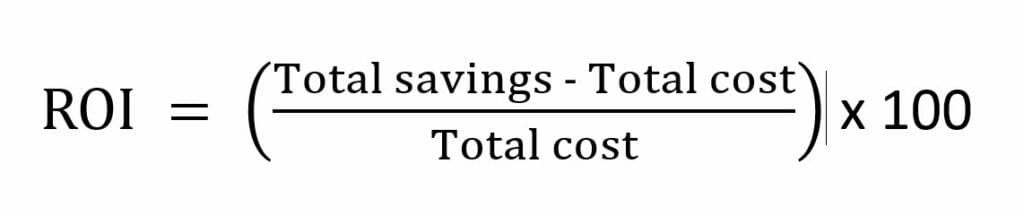
Return on Investment (ROI) for solar isn't just a simple calculation; it's a multi-faceted assessment of financial and non-financial gains. At its heart, solar ROI measures the benefits you receive relative to the costs you incur.
Defining Your Solar ROI: Key Metrics
- Payback Period: This is perhaps the most straightforward metric: how long will it take for your electricity savings (and other financial benefits) to equal your initial investment? Most homeowners in the U.S. see a payback period of 6 to 10 years, though this varies significantly by state and individual circumstances.
- Lifetime Savings: Over the 25-30+ year lifespan of your solar panels, the accumulated savings on your electricity bills can be substantial—often tens of thousands of dollars, sometimes even over $100,000, depending on system size and electricity rate inflation.
- Increased Home Value: Studies consistently show that homes with owned solar panels sell for a premium. According to a Zillow study, homes with solar typically sell for 4.1% more than comparable homes without. This isn't just a theoretical gain; it's tangible equity you build.
- Environmental Impact: While not a financial metric, the peace of mind from reducing your carbon footprint and supporting renewable energy is a significant, if intangible, return for many.
How to Calculate Your Solar ROI (A Simplified Approach)
While a detailed calculation requires specific utility rates and system performance data, here's a simplified framework:
- Calculate Net Cost: Total System Cost - (Federal Tax Credit + State/Local Incentives + SRECs). This is your true out-of-pocket expense.
- Estimate Annual Savings: (Average Monthly Electricity Bill) x 12. If you know your electricity rate and annual consumption, calculate: (Annual kWh Consumption) x (Cost per kWh).
- Determine Simple Payback Period: Net Cost / Annual Savings.
- Project Lifetime Savings: (Annual Savings) x (System Lifespan, e.g., 25 years). Factor in an assumed annual electricity rate increase (e.g., 2-4%) for a more accurate long-term projection.
Example:
- Gross System Cost: $25,000
- Federal Tax Credit (30%): $7,500
- Net Cost: $17,500
- Average Monthly Bill: $150
- Annual Savings: $150 x 12 = $1,800
- Simple Payback Period: $17,500 / $1,800 ≈ 9.7 years
- Projected 25-Year Lifetime Savings (without considering rate increases for simplicity here): $1,800 x 25 = $45,000
This simple example illustrates that even with a significant upfront cost, the long-term financial benefits are compelling. It's clear that for many, Is solar power a good investment?
Factors Influencing Your Solar ROI
Your individual ROI will be shaped by several variables:
- Electricity Rates: The higher your current utility rates and the faster they're projected to increase, the quicker your solar investment pays off.
- Sunlight Exposure (Solar Irradiance): Homes in sunnier regions (e.g., California, Arizona, Florida) will produce more electricity, leading to greater savings. However, even less sunny states can see excellent returns due to robust incentives or high electricity costs.
- System Efficiency and Quality: Higher-quality panels and inverters often come with better warranties and slightly higher price tags but can yield more energy over their lifetime.
- Maintenance: Modern solar systems require minimal maintenance, but occasional cleaning can ensure peak performance. These costs are usually negligible over the system's life.
- Inflation of Electricity Prices: Historically, electricity prices have risen steadily. Solar hedges you against these future increases, locking in your energy costs for decades.
The Power of Incentives: Boosting Your Bottom Line
One of the most significant factors in making solar financially viable are the generous incentives available. These aren't just minor discounts; they can dramatically reduce your net cost and accelerate your ROI.
Federal Solar Investment Tax Credit (ITC)
This is the big one. The ITC, often called the solar tax credit, allows you to deduct a percentage of the cost of your solar energy system from your federal taxes. For systems installed in 2022-2032, the credit is 30% of the eligible system cost. This is a direct reduction in your tax liability, not just a deduction from your income.
How it works: If your solar system costs $25,000, the ITC would be 30% of that, or $7,500. You'd claim this on your federal income tax return. If you don't have enough tax liability in one year to claim the full credit, you can usually carry the unused portion over to future tax years.
State and Local Rebates & Incentives
Beyond the federal level, many states, counties, and even cities offer their own programs to encourage solar adoption. These can include:
- State Tax Credits: Similar to the federal ITC, but at the state level.
- Cash Rebates: Upfront payments directly from the state or utility company based on the size of your system.
- Property Tax Exemptions: Excluding the value added by solar from your property tax assessment.
- Sales Tax Exemptions: Waiving sales tax on solar equipment.
These programs vary wildly by location, so it’s essential to research what’s available in your specific area. A reputable solar installer should be well-versed in local incentives and help you apply for them.
Solar Renewable Energy Certificates (SRECs)
In some states, you can earn SRECs for the clean electricity your solar panels produce. One SREC is generated for every megawatt-hour (MWh) of electricity produced. You can then sell these certificates on an open market, generating additional income. The value of an SREC fluctuates based on supply and demand within the specific state market. This program is not available everywhere but can add a significant financial boost where it exists.
Net Metering: Selling Your Surplus Back to the Grid
Net metering is a billing mechanism that credits solar energy system owners for the electricity they add to the grid. When your solar panels produce more electricity than your home consumes, the excess is sent back to the utility grid, and your meter effectively runs backward (or registers a credit).
At the end of the billing period, you only pay for your "net" electricity use (total consumed minus total generated). This ensures you get fair value for the power you produce and can even result in a credit on your bill during months of high solar production. Policies for net metering vary by state and utility, with some offering full retail rate credits and others offering a reduced rate.
Beyond the Sticker Price: Hidden Costs and Long-Term Considerations
While the upfront cost and incentives are primary considerations, a truly smart investor looks at the full picture, including potential long-term costs and evolving technologies.
Minimal Maintenance Requirements
One of solar's unsung heroes is its low maintenance. Modern solar panels are built to withstand harsh weather, and with no moving parts, they typically require very little attention.
- Cleaning: In most climates, rain naturally cleans the panels. In dusty areas or if pollen is heavy, a periodic rinse with a garden hose might be beneficial.
- Monitoring: Your system will likely come with a monitoring app that tracks production. This helps you identify any performance issues quickly, allowing your installer to address them under warranty.
- Inverter Replacement: The inverter typically has a shorter lifespan than the panels (10-15 years for string inverters, 20-25 for microinverters). Factor in a potential replacement cost for string inverters down the line.
Overall, annual maintenance costs for solar are usually under $100, if any, making it a very hands-off investment compared to other home systems.
Insurance Implications
It's wise to inform your home insurance provider that you're installing solar panels. Most homeowner policies will cover solar panels as part of your dwelling, but it's good to confirm. Your premiums might increase slightly to account for the added value and replacement cost, but this is generally a small amount.
Battery Storage: An Optional but Growing Trend
Battery storage systems (like Tesla Powerwall or Enphase Encharge) allow you to store excess solar electricity generated during the day for use at night or during power outages. This significantly increases energy independence and resilience.
- Cost: Batteries add a substantial cost to a solar system (often $10,000 - $20,000+).
- ROI: The ROI for batteries is more complex. It's strongest in areas with frequent power outages, high time-of-use electricity rates (where you can store cheap solar power and avoid expensive peak rates), or where net metering policies are less favorable. For many, the primary "return" on a battery is peace of mind and energy resilience rather than pure financial payback.
System Degradation Over Time
Solar panels are incredibly durable, but like any technology, their performance slightly degrades over time. Reputable manufacturers guarantee a certain level of performance (e.g., 80-85% of original output) after 20-25 years. This slow, predictable decline is factored into long-term savings projections.
Financing Options: How They Impact Your Upfront Cost
How you pay for your solar system heavily influences your immediate cash outlay and overall ROI.
- Cash Purchase: Offers the best long-term ROI as you own the system outright from day one and maximize tax credits and savings.
- Solar Loan: You take out a loan (secured or unsecured) to purchase the system. You own the panels and are eligible for incentives. Your monthly loan payment might be offset by your electricity savings, potentially leading to immediate net savings.
- Solar Lease/Power Purchase Agreement (PPA): In these models, a third party owns and maintains the solar system on your roof. You either pay a fixed monthly lease payment or pay for the electricity the panels produce at a fixed rate (PPA) that is typically lower than your utility's.
- Pros: No upfront cost, no maintenance responsibility.
- Cons: You don't own the system, so you don't get the federal tax credit or other ownership-based incentives. The long-term financial benefits are significantly less than outright ownership. While helpful for some, it's generally not the option for maximizing ROI.
Is Solar Right for Your Home? Key Factors to Evaluate
Before you commit to solar, a few critical evaluations can help you determine if your home is a good candidate for maximum ROI.
Roof Suitability
- Age and Condition: Solar panels typically last 25-30 years. If your roof is nearing the end of its life, it’s often smart to replace it before installing solar to avoid the cost of removing and reinstalling panels later.
- Angle and Orientation: South-facing roofs (in the Northern Hemisphere) are ideal for maximum sunlight exposure. East and west-facing roofs can also be highly productive, especially if they align with your home's peak energy usage times. North-facing roofs are generally not suitable.
- Shade: Trees, chimneys, or neighboring buildings that cast significant shade on your roof will reduce production and thus your ROI. Even partial shading on one panel can affect the entire string if you have a string inverter. Microinverters can mitigate this issue.
Current Electricity Consumption and Rates
The more electricity you consume, and the higher your utility's rates, the greater your potential savings with solar. If your monthly electricity bills are consistently high, solar offers a more significant impact on your budget. Conversely, if your bills are already very low, the financial payback might take longer.
Local Solar Irradiation (Sunlight Hours)
While states like California and Arizona are renowned for their abundant sunshine, excellent solar ROI is achievable in many regions, including those with less intense sun. This is often because less sunny states may offer higher electricity rates or more attractive local incentives that compensate for lower production. Your installer can provide precise solar irradiance data for your specific address.
Time Horizon: How Long Do You Plan to Stay?
Solar is a long-term investment. If you plan to sell your home within a few years, your financial return might primarily come from the increased resale value rather than accumulated electricity savings. If you plan to stay put for a decade or more, you'll fully realize the long-term savings and maximize your ROI. Even if you sell earlier, the added home value can still make it a worthwhile investment.
Debunking Solar Myths & Answering FAQs
Navigating the world of solar can bring up many questions and misconceptions. Let's clear some up.
"Solar is too expensive, only for the wealthy."
Fact: While the upfront cost is significant, the combination of federal tax credits, state incentives, and rising electricity prices makes solar accessible and financially attractive to a much broader demographic. Financing options further reduce the barrier to entry, often allowing homeowners to see immediate savings on their monthly energy expenses. Many find their new solar loan payment is equal to or less than their old utility bill.
"It won't work where I live; we don't get enough sun."
Fact: Solar technology has advanced significantly. While sunnier climates certainly produce more power, systems are designed to operate effectively even in cloudy or colder regions. Germany, a country far less sunny than much of the U.S., has one of the highest rates of solar adoption globally. Local incentives often bridge any gap in raw solar production, ensuring a strong ROI even in areas with moderate sunlight.
"Batteries are a must-have for solar."
Fact: Batteries are an excellent option for energy resilience and maximizing self-consumption, but they are not necessary for most grid-tied solar systems. If you have net metering, your utility acts as your "battery," crediting you for excess power you send to the grid. Batteries are best suited for those seeking total energy independence, protection against frequent outages, or those in areas with specific utility rate structures that make storage financially attractive.
"My home value won't actually increase."
Fact: Multiple studies, including those by Zillow and the National Renewable Energy Laboratory (NREL), consistently show a measurable increase in home value for properties with owned solar panels. Buyers are often willing to pay a premium for a home with pre-installed, paid-off solar that offers immediate energy savings and a lower cost of ownership.
"Solar panel maintenance is a headache."
Fact: Modern solar panels are remarkably low-maintenance. They're designed to be durable and self-cleaning with rain. Most monitoring systems alert you to any issues, and reputable installers offer warranties on equipment and performance, reducing any potential "headache."
Making Your Smart Solar Decision: Next Steps
Ready to take the leap into solar? Here's how to ensure you make the most informed and financially sound decision for your home.
1. Get Multiple Quotes (At Least Three!)
This is perhaps the most crucial step. Don't settle for the first offer. Contact at least three different reputable solar installers in your area. This allows you to:
- Compare pricing: See the range of costs for similar system sizes and equipment.
- Evaluate different equipment: Installers may recommend different panel brands, inverters, or battery solutions.
- Assess customer service: Pay attention to how installers communicate, their responsiveness, and their willingness to answer your questions thoroughly.
- Understand warranties: Compare equipment, workmanship, and performance guarantees.
Be sure to get quotes that break down costs clearly, including equipment, labor, permits, and estimated incentives.
2. Review Contracts Carefully
Before signing anything, meticulously review the contract. Ensure it clearly states:
- Total system cost (before and after incentives)
- Equipment specifications (brands, models, warranties)
- Installation timeline
- Performance guarantees (e.g., kWh production estimates)
- Financing terms (if applicable)
- Net metering agreement details
- Responsibilities for permits and inspections
Don't hesitate to ask questions or seek clarification on any confusing clauses.
3. Understand All Warranties
A good solar system comes with multiple warranties:
- Product Warranty: Covers the solar panels themselves against defects in materials or manufacturing (typically 10-25 years).
- Performance Warranty: Guarantees that the panels will produce a certain percentage of their rated power output over time (e.g., 80% after 25 years).
- Inverter Warranty: Covers the inverter, usually for 10-12 years for string inverters and 20-25 years for microinverters.
- Workmanship Warranty: Covers the installation itself, ensuring the system is installed correctly and free from defects (typically 1-10 years).
Longer and more comprehensive warranties offer greater peace of mind and protect your investment.
4. Focus on Reputable Installers
Choose an installer with a strong track record, positive customer reviews, and proper certifications. Look for:
- NABCEP Certification: A North American Board of Certified Energy Practitioners (NABCEP) certification indicates a high level of expertise.
- Years in Business: Experience often correlates with reliability.
- Local References: Ask for contacts of past customers you can speak with.
- Transparent Communication: A good installer will educate you, not just sell to you.
Investing in solar for your home is a significant decision, but with the right information and a methodical approach, it's one that can bring substantial financial and environmental rewards for decades to come. By thoroughly understanding solar panel costs and ROI, you're not just buying a product; you're investing in your home's future and your personal energy independence.