Navigating the world of solar energy can feel like deciphering a complex legal document, especially when it comes to understanding how you can actually save money. Yet, for many homeowners, the dream of generating their own clean electricity and shrinking those utility bills is becoming a very real and attainable goal, thanks in no small part to robust Solar Incentives, Rebates & Tax Credits. These programs aren't just obscure footnotes; they are powerful financial levers designed to make solar power a smart and accessible investment.
Think of them as a big "thank you" from the government and local utilities for choosing a greener path. They can significantly offset the upfront cost of a solar energy system, making the switch far more attractive than you might realize. Let's cut through the jargon and explain exactly how these incentives work, focusing on the biggest player for most homeowners: the federal tax credit.
At a Glance: Your Solar Savings Snapshot
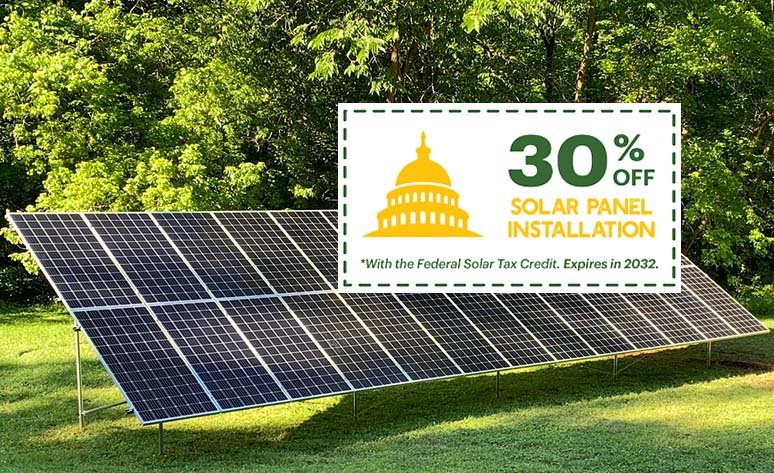
- Federal Solar Tax Credit: Claim 30% of your qualified solar system costs as a nonrefundable tax credit through 2032.
- Carry Forward: Unused credit can reduce future tax bills.
- No Dollar Limit: For most residential solar projects, there's no cap on the credit amount.
- What Qualifies: Solar panels, solar water heaters, wind turbines, geothermal heat pumps, fuel cells, and battery storage (starting 2023). Labor costs are included.
- What Doesn't: Used equipment, loan interest, or traditional roofing components (unless they also generate power).
- Other Incentives: Don't forget to research state, local, and utility-specific programs, which can stack with the federal credit.
- How to Claim: File IRS Form 5695 with your annual tax return.
The Big One: Federal Solar Tax Credit (Residential Clean Energy Credit)
If you're considering solar for your home, the Residential Clean Energy Credit (formerly known as the Investment Tax Credit, or ITC) is likely the most significant financial incentive you'll encounter. It's a federal program designed to encourage homeowners to invest in renewable energy technology, including solar. This isn't a deduction that merely lowers your taxable income; it's a dollar-for-dollar reduction of your actual tax liability.
What Is It, Exactly?
In simple terms, this credit allows you to claim a percentage of the cost of installing a new, qualified clean energy system for your home directly on your federal income tax return.
For systems installed between 2022 and December 31, 2032, the credit stands at a generous 30% of the total qualified expenses. It then begins to phase out, dropping to 26% in 2033 and 22% in 2034, before expiring at the end of 2034 (unless Congress extends it).
One crucial aspect to understand is that it's a nonrefundable credit. This means it can reduce your tax liability down to zero, but you won't get a refund check for any excess credit beyond what you owe in taxes. The great news? Any unused portion of the credit can be carried forward to reduce your tax liability in future years. There are also no annual or lifetime dollar limits on the credit for most residential solar projects, ensuring even large installations receive their full due. (The only exception applies to fuel cell property, which has specific per-half-kilowatt limits.)
Who Qualifies to Claim This Credit?
The Residential Clean Energy Credit is available to taxpayers who invest in renewable energy property for their main home or a second home located within the United States.
Here are the key eligibility points:
- You must own the home where the system is installed, though the credit is valid whether it's a new build or an existing property. Even if you rent your main home, but own the solar array, you could still be eligible.
- It applies to your primary residence or a secondary home you use part-time, provided that second home isn't primarily rented out. For instance, a vacation cabin you use personally qualifies, but an investment property rented to long-term tenants generally does not.
- Landlords or property owners not residing in the home cannot claim the credit. The intent is to incentivize homeowners for their residential energy use.
- Business use considerations: If your home is used partly for business (e.g., a home office), the rules depend on the percentage of business use. Up to 20% business use allows a full credit. If more than 20% of the property is used for business, the credit is proportioned based on the non-business share of expenses.
What Expenses Count Towards Your Credit?
This is where the rubber meets the road. The credit covers a broad range of costs associated with your new, qualified clean energy property.
Eligible expenses include:
- Solar Electric Panels (Photovoltaic Systems): The most common application, covering the panels themselves, inverters, wiring, and mounting hardware.
- Solar Water Heaters: Systems used exclusively to heat water for your home.
- Wind Turbines: Small-scale turbines that generate electricity for your residence.
- Geothermal Heat Pumps: Systems that use the earth's stable temperatures to heat and cool your home.
- Fuel Cell Property: Though less common for residential use, it's included, subject to specific limits.
- Battery Storage Technology: Crucially, starting in 2023, standalone battery storage systems with at least 3 kilowatt-hours (kWh) of capacity are now eligible, even if they're not installed with a new solar panel system. This is a game-changer for energy independence. To learn more about this growing trend, you might want to read up on the benefits of solar battery storage.
- Labor Costs: This is often overlooked but incredibly important. The cost of onsite preparation, assembly, and the original installation of the qualified property—including piping or wiring needed to connect it to your home—is fully included.
- Sales Tax: Any sales tax paid on eligible equipment.
What Doesn't Count? The "Fine Print"
Not every expense related to your home improvement project will qualify for the credit. Be aware of these exclusions:
- Used Property: The clean energy property must be new; second-hand equipment doesn't qualify.
- Interest Paid: This includes loan origination fees or any interest on financing for your solar system. Only the direct cost of the equipment and installation is covered.
- Traditional Building Components: A new roof, for instance, typically doesn't qualify unless it's specifically a solar roof (like solar shingles or tiles) that generates electricity. Regular asphalt shingles or roof trusses, even if installed to support solar panels, do not.
- Fuel Cell Property for a Second Home: This specific type of system is only eligible for your main home.
Calculating Your Credit: The Math Made Simple
To figure out your credit, you'll generally take 30% of your total qualified expenses. However, there are a couple of subtractions to keep in mind:
- Public Utility Subsidies & Specific Rebates: If you receive a subsidy from a public utility for the purchase or installation of clean energy property, or certain types of rebates, you must subtract these amounts from your total qualified expenses before calculating the 30% credit. This prevents "double-dipping" on government-backed savings.
- Net Metering Credits: Payments you receive for selling excess energy back to the grid (known as net metering credits) do not affect your qualified expenses. These are treated as income, separate from the cost of installation. Understanding how net metering works in your area is key to maximizing your overall solar savings.
- State Energy Efficiency Incentives: Generally, state energy efficiency incentives are not subtracted from your qualified expenses unless they specifically meet the definition of a federal rebate. Always clarify with your solar installer or tax professional.
Meeting the Standards: Ensuring Your Property Qualifies
For your solar system or other clean energy property to be eligible, it needs to meet certain quality and certification standards:
- Solar Water Heaters: Must be certified by the Solar Rating Certification Corporation (SRCC) or a comparable state-endorsed certification program. At least half of the energy generated must be from solar.
- Geothermal Heat Pumps: Must meet Energy Star requirements at the time of purchase.
- Battery Storage Technology: Must have a capacity of at least 3 kilowatt-hours (kWh).
- Other Systems: Generally, equipment must be new and installed in connection with a home located in the United States.
How to Claim Your Federal Tax Credit
Claiming the credit is relatively straightforward:
- Get Your Paperwork in Order: Your solar installer should provide you with an invoice detailing all qualified expenses, including equipment and labor. Keep this for your records.
- File Form 5695: When you prepare your federal income tax return for the tax year in which the property was installed and placed in service (not necessarily when you paid for it), you'll need to file IRS Form 5695, "Residential Energy Credits."
- Attach to Your Return: Form 5695 calculates your credit and then flows into your main Form 1040, reducing your overall tax bill.
If you have questions, consult with a qualified tax professional. They can help ensure you claim the maximum credit you're entitled to and properly account for any specific nuances of your situation.
Beyond the Feds: State, Local, and Utility Incentives
While the federal tax credit is the largest and most widely applicable incentive, it’s far from the only game in town. Many states, local municipalities, and even utility companies offer their own programs to encourage solar adoption. These can come in various forms and often stack with the federal credit, amplifying your savings.
These additional incentives might include:
- State Tax Credits: Some states offer their own income tax credits, similar to the federal one, further reducing your state tax liability.
- Cash Rebates: Direct payments or upfront discounts offered by states, cities, or utilities to reduce the initial cost of installation.
- Property Tax Exemptions: In some areas, installing solar panels increases your home's value, but the local government exempts that added value from property tax assessments.
- Sales Tax Exemptions: Certain states waive sales tax on solar equipment purchases.
- Performance-Based Incentives (PBIs): Payments to homeowners based on the actual amount of electricity their solar system generates over time (e.g., Solar Renewable Energy Credits, or SRECs).
- Low-Interest Loans: State or local programs may offer attractive financing options specifically for solar installations.
Because these programs vary so widely by location, it’s critical to do your homework. A great first step is to explore state and local solar incentives specific to your address. Most reputable solar installers will also be well-versed in local programs and can help guide you through the application processes.
Making Sense of Your Solar Savings: Practical Steps
Understanding the incentives is one thing; putting that knowledge into action is another. Here’s how to approach your solar journey strategically.
1. Research Your Local Options Thoroughly
Before you even get a quote, use online resources (like DSIREUSA.org) to identify every state, local, and utility incentive available in your specific area. This comprehensive view will help you understand the full financial picture.
2. Vet Your Solar Installers Wisely
Choosing the right solar installer is paramount. A good installer will not only design and install a high-quality system but also be knowledgeable about all applicable incentives and help you navigate the paperwork. Ask detailed questions about their experience with various incentive programs, their reputation, and their warranties. Here's a deeper dive into finding a reputable solar installer. Get multiple quotes to compare not just prices, but also equipment, warranties, and proposed savings.
3. Understand Your Financing Options
While the federal tax credit comes after installation (when you file your taxes), you'll need to pay for the system upfront or finance it. Many homeowners opt for solar loans. The credit effectively reduces the net cost of your system, which can then influence the size of your loan or your payback period. Discuss financing with your chosen installer and lender, ensuring you understand how the tax credit integrates with your payment plan.
4. Factor in Net Metering and Energy Savings
The incentives are just one piece of the financial puzzle. Don't forget the ongoing savings you'll realize from reduced or eliminated electricity bills. Net metering policies, which allow you to earn credits for excess energy sent back to the grid, are crucial here. While net metering payments don't affect your tax credit calculation, they significantly improve your system's overall return on investment.
5. Consider Battery Storage for Enhanced Savings and Resilience
With battery storage now eligible for the federal tax credit, it's worth exploring if it makes sense for your home. While it adds to the upfront cost, battery storage can increase your energy independence, protect you during power outages, and allow you to optimize your energy usage by drawing from your battery during peak utility rates.
Your Burning Questions About Solar Incentives, Answered
Let's tackle some common queries and clear up misconceptions.
Can I claim the federal tax credit if I lease my solar panels?
No. The federal Residential Clean Energy Credit is only available to homeowners who own their solar energy system. If you lease panels or enter into a Power Purchase Agreement (PPA), the third-party owner (the leasing company) receives the credit, not you. While leases and PPAs can still offer savings, you won't directly benefit from the federal tax credit.
Does the credit apply to a new roof I install before the solar panels?
Generally, no. As discussed, the federal credit applies to the solar energy property itself and its direct installation costs. A new roof, even if necessary to support the panels, is considered a separate home improvement unless it's an integrated solar roofing product. Your solar installer might factor in minor roof repairs if they're directly related to the solar installation, but a full roof replacement is typically not eligible.
How long does it take to get the tax credit?
You claim the credit when you file your federal income tax return for the year your solar system was installed and placed in service. For example, if your system was installed in October 2024, you would claim the credit when you file your 2024 tax return in early 2025. The actual "return" comes in the form of a reduced tax bill or a larger refund from the IRS.
What if I don't have enough tax liability to use the full 30% credit in one year?
That's where the "carry forward" provision comes in handy. If your 30% credit amount is more than your total federal tax liability for the year, you don't lose the excess. You can carry the unused portion forward to reduce your tax liability in subsequent years, until the credit expires. There's no limit on how many years you can carry it forward, as long as the credit remains active.
Are there any income limits to claim the federal solar tax credit?
No, there are no income limits or phase-outs based on your Adjusted Gross Income (AGI) for the Residential Clean Energy Credit. If you meet the ownership and property requirements, you are eligible to claim the credit regardless of your income level.
Can I claim the credit for different types of solar panels and their efficiency or other clean energy upgrades?
Yes, the credit applies to various clean energy technologies beyond just standard solar panels, as long as they are new, qualified, and installed for your primary or secondary home. This includes solar water heaters, wind turbines, geothermal heat pumps, fuel cell property, and (since 2023) standalone battery storage systems.
The Smart Homeowner's Solar Checklist: Your Next Steps
Solar incentives, rebates, and tax credits are powerful tools that can transform the economics of going solar. They're designed to make clean energy more accessible and affordable, and understanding them is your first step towards unlocking significant savings.
Don't let the details intimidate you. Armed with this knowledge, you can approach your solar project with confidence. Here’s your actionable checklist:
- Confirm Eligibility: Verify your home and planned system meet the criteria for the federal Residential Clean Energy Credit.
- Explore Local Incentives: Use resources to identify all state, local, and utility programs available in your specific area.
- Get Multiple Quotes: Contact reputable solar installers. Ask them to clearly outline the total system cost and how various incentives will impact your out-of-pocket expenses and long-term savings.
- Understand the Financial Picture: Compare financing options, factoring in how the federal tax credit will reduce your net cost.
- Consult a Tax Professional: Before installation, talk to a tax advisor to confirm your eligibility and understand how to properly claim the credit on your tax return.
- Review Contracts Carefully: Ensure all incentive assumptions are clearly laid out in your solar installation contract.
Making the switch to solar is a significant decision, but with the right information and strategic planning, it can be one of the best investments you make for your home, your wallet, and the planet. Ultimately, the question isn't just about the upfront cost, but about whether is solar energy a good investment? when you factor in all the long-term benefits and available support. For many, the answer is a resounding yes.