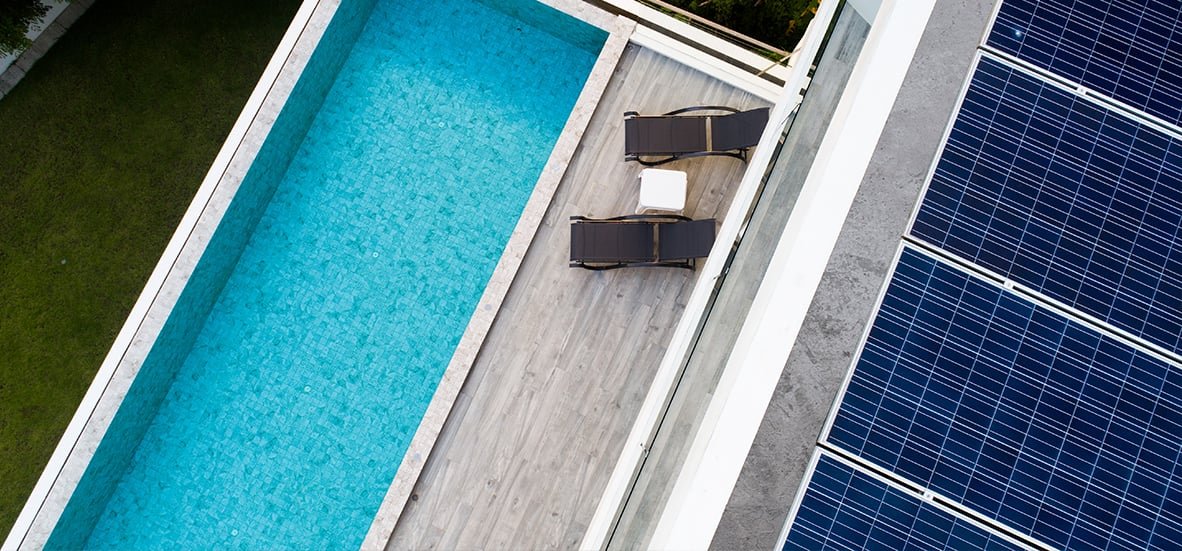
For many homeowners, the idea of harnessing the sun's abundant energy to power their homes is incredibly appealing. It promises independence, savings, and a lighter touch on the planet. But like any significant home improvement or investment, diving into residential solar power comes with its own set of considerations. Understanding the core Pros and Cons of Residential Solar Power is the first, crucial step in deciding if it's the right move for your household.
This isn't a decision to take lightly, and you deserve a clear-eyed look at what going solar truly entails. We're going to break down the advantages and disadvantages, help you assess your own situation, and guide you through the practicalities—because ultimately, you want a solution that shines for you, both literally and financially.
At a Glance: Residential Solar Power
Before we dive deep, here's a quick overview of what you can expect:
- Pro: Significantly lowers your carbon footprint and contributes to cleaner air.
- Pro: Can drastically reduce or even eliminate your monthly electricity bills.
- Pro: Potentially increases your home's market value.
- Pro: Generous federal tax credits and other incentives make it more affordable.
- Con: High initial investment costs can be a barrier for some homeowners.
- Con: Specific roof requirements regarding direction, slope, and material are crucial for efficiency.
- Con: An increase in property value might lead to higher property taxes in some areas.
- Con: Powering your home at night or on cloudy days requires additional, expensive battery storage.
The Sunny Side Up: Advantages of Going Solar
Let's start with the compelling reasons why millions of homeowners are making the switch to solar. These aren't just feel-good points; they translate into tangible benefits for your wallet and the world.
A Greener Footprint for a Brighter Future
One of the most powerful arguments for residential solar power is its environmental impact. Traditional electricity generation, often relying on fossil fuels, remains a significant contributor to carbon emissions. In fact, electric power generation was the second-largest CO2 emitter in 2022. Every kilowatt-hour your home generates from solar panels means one less kilowatt-hour produced by methods that pollute our air and contribute to climate change.
Solar energy systems operate silently and produce zero CO2 emissions or air pollutants during operation. While there's an environmental cost associated with manufacturing and installing the panels, studies show that a typical residential system offsets this "carbon debt" in just 1 to 4 years. Considering most quality solar panel systems are designed to last 30 years or more, that's decades of clean, renewable energy production benefiting the planet. You're not just reducing your own carbon footprint; you're actively supporting a cleaner, more sustainable energy grid for everyone.
Putting a Dent in Your Electric Bill
This is often the most immediate and appealing benefit for homeowners. Switching to solar power can dramatically reduce, or even eliminate, your monthly electric bills. The exact savings you'll see depend on several factors: your current power usage, the size and efficiency of your solar system, whether you own or lease the panels, the amount of direct sun exposure your roof gets, and your local electricity rates. In areas with high electricity costs, the financial incentive to go solar is even stronger.
Many states and utility companies offer "net metering" programs. This means that when your solar panels produce more electricity than your home consumes—say, during peak midday sun—the excess power is sent back to the grid. Your utility company then credits your account for that electricity, often at the retail rate. These credits can offset the electricity you draw from the grid at night or on cloudy days, effectively turning your meter backward and further shrinking your bill. Understanding how net metering works in your area is key to projecting your potential savings.
Adding Value to Your Home
Beyond the monthly savings, solar panels can be a smart long-term investment in your property itself. A 2019 Zillow survey found compelling evidence that homes with solar-energy systems sold for an average of 4.1% more than comparable homes without them. For a median-value home, that translated to an average of $9,274 extra at the time of sale.
This increased value makes sense: buyers are often willing to pay a premium for homes that offer lower operating costs and a reduced environmental impact from day one. In a competitive housing market, a home that already has a modern, efficient solar system installed can stand out, appealing to environmentally conscious buyers and those looking for long-term financial stability.
Hello, Tax Credits and Incentives!
The initial cost of solar can be substantial, but various incentives are designed to make it more accessible. The most significant is the federal solar tax credit, officially known as the Investment Tax Credit (ITC). For systems installed between 2022 and 2032, homeowners can claim a credit equal to 30% of the total cost of installation. This isn't just a deduction; it's a dollar-for-dollar reduction in the income taxes you owe.
Imagine spending $20,000 on a solar system; a 30% credit means $6,000 off your federal tax bill. This credit is scheduled to step down after 2032, making the next few years an opportune time to invest. Beyond the federal incentive, many states and local municipalities offer their own rebates, property tax exemptions, or performance-based incentives (like Solar Renewable Energy Certificates, or SRECs), which can further reduce your out-of-pocket expenses. Always research the latest on federal solar tax credits and any local programs available in your area.
When the Clouds Roll In: Disadvantages & Considerations
While the benefits are clear, it's crucial to approach residential solar with a realistic understanding of its challenges. These factors can significantly influence the feasibility and overall cost-effectiveness for your specific situation.
The Initial Sticker Shock
Let's face it: solar power is a significant upfront investment. A typical 5-kilowatt (kW) residential system, which includes the panels, an inverter to convert DC to AC electricity, necessary wiring, and labor, can cost anywhere from $10,000 to $25,000 or even more, before incentives. This figure can climb if you opt for premium panels, a more complex installation, or additional components.
If you decide to incorporate battery storage from the outset, the costs increase considerably. A complete solar-plus-storage system typically ranges from $25,000 to $35,000. These figures represent a substantial capital outlay that many homeowners might not have readily available, necessitating financing options we'll discuss later. While incentives help, they don't eliminate the initial cash requirement or the need to secure a loan.
Your Roof's Role in Solar Success
Not all roofs are created equal when it comes to solar panel efficiency. The ideal roof for solar panels has a few key characteristics:
- Orientation: It should primarily face south (in the Northern Hemisphere) to receive the most direct sunlight throughout the day. East or west-facing roofs can still generate significant energy, but often less than a south-facing one. North-facing roofs are generally not suitable.
- Slope: A slope between 15-40 degrees is typically optimal for capturing sunlight at various times of the year.
- Unobstructed Sunlight: Crucially, your roof needs direct sunlight for most of the day, free from shadows cast by tall trees, neighboring buildings, or other roof structures. Even partial shading on just a few panels can significantly reduce the output of the entire system.
- Material and Condition: While most roofing materials are compatible, some, like old cedar shakes, solar shingles (which are panels themselves), or slate tiles, can be more challenging or costly for installers to work with. If your roof is nearing the end of its lifespan, it's often more economical to replace it before installing solar panels, as removing and reinstalling panels for a future roof replacement adds extra cost. Getting a professional assessment for what to expect during installation is crucial.
The Property Tax Paradox
Here's a potential downside that often surprises homeowners: an increase in property value due to solar panels could lead to higher property taxes. When you add a valuable asset to your home, its assessed value may increase, and property taxes are typically calculated based on that assessed value.
However, this isn't a universal issue. Many states and local jurisdictions have specific exemptions or abatements for solar energy systems to encourage adoption. These policies aim to prevent homeowners from being penalized for making an environmentally friendly upgrade. It's essential to research your specific state and local tax codes to understand how solar panels might affect your property taxes. Don't assume an increase; verify the regulations in your area.
The Price of Powering Through the Night
Solar panels generate electricity when the sun shines. What happens when it's cloudy, or more commonly, after sunset? Without a separate storage solution, your home will draw power directly from the utility grid, as it normally would. To truly power your home at night or during extended cloudy periods, you need a solar storage battery system.
While battery technology is advancing rapidly, it remains a significant expense. A full solar-plus-storage system, as mentioned earlier, typically ranges from $25,000 to $35,000. If you already have solar panels and decide to add a battery system later, that separate battery installation can cost anywhere from $12,000 to $22,000. These costs dramatically increase the overall investment and impact the payback period. When considering different solar battery storage options, remember they are primarily for energy independence and backup during outages, rather than purely for maximizing daily savings, given their current price point.
Is Residential Solar Right for You? Key Decision Factors
Deciding whether to go solar isn't a one-size-fits-all answer. It's about aligning your specific needs, property characteristics, and financial situation with the realities of solar technology.
Assessing Your Energy Needs and Consumption
Solar panels offer the most significant financial benefit to homeowners who have consistently high energy usage and, consequently, high electric bills. If your monthly electricity costs are relatively low, your payback period for a solar investment will naturally be longer.
Take a look at your past 12-24 months of electricity bills. What's your average monthly kilowatt-hour (kWh) consumption? Are there seasonal peaks? This data is crucial for solar installers to accurately size a system that can meet your needs, ensuring you maximize your savings potential. If you're planning major electricity-consuming additions like an EV charger or a hot tub, factor those into your future consumption estimates.
Your Roof: The Solar Sweet Spot
As we've discussed, your roof is the foundation of your solar system. Before even thinking about quotes, perform a preliminary assessment:
- Direction: Does your primary roof plane face south, or at least east/west?
- Shading: Are there any large trees, chimneys, or neighboring buildings that cast significant shadows on your roof, especially between 9 AM and 4 PM?
- Age and Condition: How old is your roof? Does it have another 10-15 years of life left? If not, plan for a roof replacement before solar installation.
- Space: Do you have enough unobstructed roof space to accommodate the number of panels needed for your energy consumption?
A professional solar assessment will confirm these points, often using satellite imagery and on-site visits to give you a precise evaluation.
Understanding Local Incentives and Policies
The financial viability of solar varies greatly by location. Beyond the federal tax credit, you need to investigate:
- State and Local Rebates: Are there direct cash rebates or grants offered by your state or city?
- Net Metering Rules: How does your utility credit you for excess electricity? Is it a one-for-one exchange, or a lower wholesale rate? Net metering policies can change, so stay informed.
- Property Tax Exemptions: Does your state or county exempt solar panels from property tax increases?
- Performance-Based Incentives: Do programs like Solar Renewable Energy Certificates (SRECs) exist, where you can sell credits for the clean energy your system produces?
These incentives can dramatically reduce your net costs and shorten your payback period, making solar a much more attractive proposition.
The Financial Picture: Can You Afford It?
Even with incentives, the initial investment is substantial. You need to consider how you plan to finance the system. Do you have enough cash on hand, or will you need to explore loan options? We'll dive into financing next, but understanding your budget and comfort level with debt is a critical part of the decision. Weigh the long-term savings against the upfront costs and your available capital. This is where you really consider Is solar power worth the investment? for your personal situation.
Navigating the Investment: Financing Your Solar Dream
For most homeowners, paying for a solar system outright isn't feasible. Fortunately, several financing options can make solar power accessible. Understanding these choices is key to making a financially sound decision.
Beyond Cash: Exploring Your Options
- Solar Installers' Financing Programs: Many solar companies offer their own financing, often through partnerships with specific lenders. These can be convenient, sometimes featuring low or even no-money-down options. Be sure to scrutinize the interest rates and terms, as they can sometimes be less competitive than external options.
- Home Equity Loans: These provide a lump sum of money, repaid with a fixed interest rate over a set period (typically 5-30 years). Your home acts as collateral, which means the interest rates are often lower than unsecured loans. However, it ties up a portion of your home equity and puts your home at risk if you default.
- Home Equity Lines of Credit (HELOCs): Similar to a credit card, a HELOC allows you to borrow funds as needed, up to a certain limit, during a "draw period" (often 10 years). You typically make interest-only payments during this period, followed by principal and interest payments. HELOCs usually have variable interest rates, meaning your payments can fluctuate, but they offer flexibility and also use your home as collateral.
- Solar Loans (Unsecured Personal Loans): Offered by banks, credit unions, and online lenders, solar loans are essentially personal loans earmarked for solar installations. They typically range from $1,000 to $100,000, with Annual Percentage Rates (APRs) from 6% to 36% depending on your creditworthiness. Unlike home equity products, they do not require your home as collateral. They are repaid in equal monthly installments over a shorter term, usually 2-7 years. While rates can be higher than secured loans, they don't put your home at risk.
Making Smart Choices
When considering financing, it's advisable to compare interest rates, terms, and fees across different packages. Don't just accept the first offer. Look at the total cost of the loan over its lifetime, not just the monthly payment. Factor in any origination fees or prepayment penalties. A low interest rate can make a significant difference in your total out-of-pocket expense for the system. Doing your homework on comparing various solar financing options will ensure you find the solution that best fits your financial goals.
Debunking Common Solar Myths
Misinformation can cloud decision-making. Let's clear up a few common misconceptions about residential solar.
"Solar panels don't work on cloudy days or in winter."
Myth: While it's true that solar panels produce less electricity on heavily overcast days or when covered in snow, they don't stop working entirely. Modern panels are designed to capture diffuse sunlight, meaning they still generate power, albeit at reduced efficiency. In winter, even with shorter days, clear, sunny skies can still yield good production. Your home's connection to the grid and net metering ensure you always have power, even when your panels aren't at peak production.
"Solar panels require constant, costly maintenance."
Myth: Solar panels are surprisingly low-maintenance. They are built to withstand harsh weather and are largely self-cleaning with rainfall. Most manufacturers offer long warranties (20-25 years or more) on power output. Routine maintenance usually involves an occasional rinse with a hose if pollen or dust buildup is significant, or clearing heavy snow in winter if you wish to maximize production. Professional cleaning is rarely needed more than once a year, if at all, depending on your environment. The inverter, which converts the power, typically has a lifespan of 10-15 years and might need replacement sooner than the panels.
"Solar is only for new homes or sunny states."
Myth: While new constructions can integrate solar seamlessly, retrofitting existing homes is incredibly common. As long as your roof meets the requirements discussed earlier, an older home can absolutely go solar. And while the sunniest states certainly benefit, solar technology has become efficient enough to be cost-effective in many regions with less intense sunlight, especially when robust incentives are available. It's about solar resource rather than just "sunniest state."
Your Next Step Towards a Solar-Powered Home
Deciding whether residential solar power is right for you involves careful consideration of the pros, cons, and your unique circumstances. It's a significant investment, but one that can offer substantial environmental and financial rewards over the long term.
Here's your actionable next step:
- Assess Your Situation: Review your past electricity bills, inspect your roof for suitability, and research the specific solar incentives available in your state and local area.
- Get Multiple Quotes: Contact at least three reputable solar installers. Insist on detailed proposals that include system size, estimated production, total cost, available incentives, estimated payback period, and warranty information.
- Ask Questions: Don't hesitate to ask installers about their experience, equipment brands, installation process, financing options, and what happens if your system underperforms.
- Understand the Fine Print: Carefully read all contracts, warranties, and financing agreements.
- Consider Your Priorities: Is your primary goal environmental impact, financial savings, energy independence, or a combination? Your priorities will help guide your decision.
Going solar is a journey, not just a purchase. With thorough research and careful planning, you can make an informed decision that truly benefits your home, your wallet, and the planet.